
Male Cancer Awareness Week | Male Cancer Support in the UK
14 September 2021 — david-allen
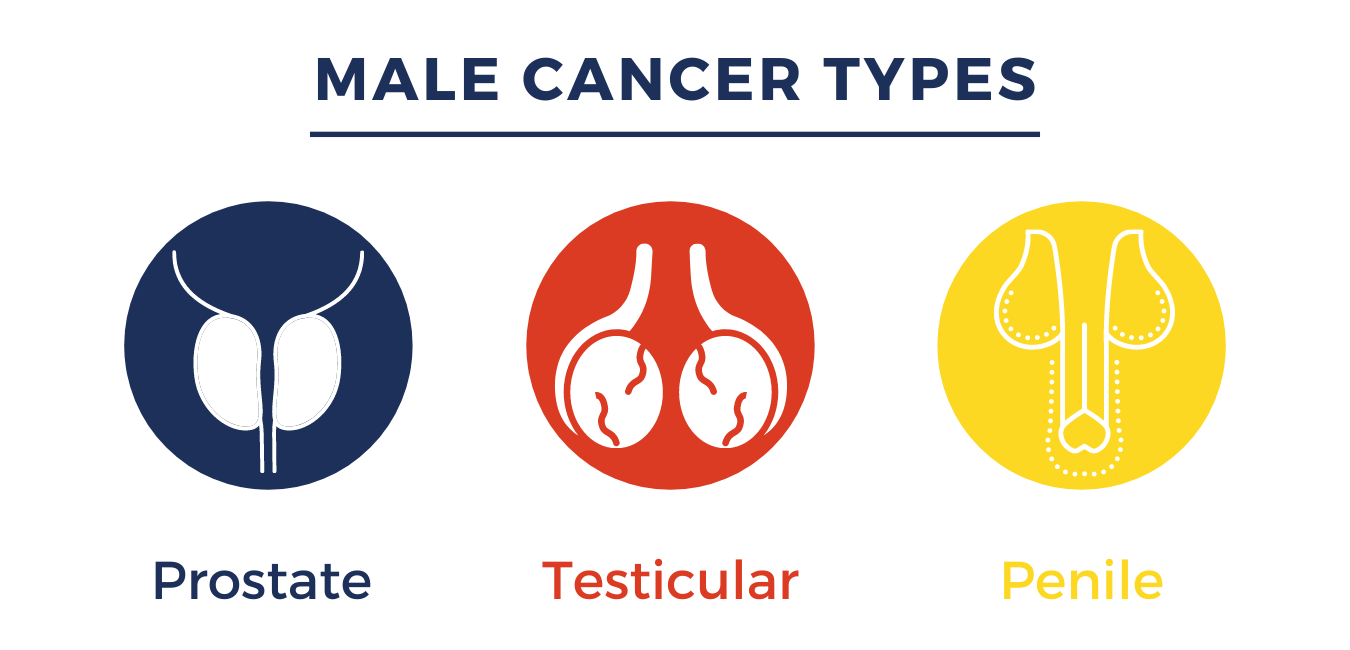
Male Cancer Awareness Week was set up by charity Orchid Cancer to help raise awareness of the three male cancers: prostate, testicular and penile cancer.
As a charity, Orchid focuses its efforts in three key areas: raising awareness of male cancer, pioneering research into the cancer types and support services for those living with male cancer. They offer a free and comprehensive information services which consists of the National Male Cancer Helpline which can be reach on freephone number 0808 802 0010 on Monday, Wednesday and Friday from 9am to 5.30pm or by email at helpline@orchid-cancer.org.uk The helpline is staffed by specialist nurses to offer advice and support.
Cancer of the prostate accounts for approximately 26% of all new cancer cases in males and research shows that 1 in 6 males will be diagnosed with prostate cancer in their lifetime. If diagnosed at its earliest stage, 100% of people diagnosed will survive the disease for 5 years or more, compared to 49% who are diagnosed in the latest stage.
Additional Support Services
Around 2,400 men in the UK are diagnosed with testicular cancer every year, although it accounts for less than 2% of all new diagnosis in men. Fortunately, however, it has a 98% survival rate of 10 years of more.
Additional Support Services
Penile cancer is one of the rarest types of cancer and accounts for less than 1% of all male cancer diagnosis with around 670 cancers in the UK each year. Survival rates are significantly higher for men under 50.
Additional Cancer Support Services
Latest Articles
See all Articles
01 August 2025 — Jessica Bailey
Bridging the Gap: Supporting Veterans in County Durham and Darlington with Cancer Information and Support | Guest Blog byIn this guest blog post, we hear from the County Durham and Darlington Veterans’ Project as they share how they are supporting veterans with cancer information and support, while working to remove the barriers veterans often face when accessing health and wellbeing services. “In County Durham and Darlington, the percentage of people who have […]

30 July 2025 — Jessica Bailey
NeuroSAFE technique: how it works, benefits and outcomes | Guest Post by Santis HealthThere are often many options when facing cancer treatment and surgery. It’s important to discuss with your oncology team and raise any questions you might have to find the treatment that is right for you. If you have the option of private treatment, there may be procedures to consider that aren’t available on the NHS. […]